
Mobile Home Transport Near Me: What the Process Actually Looks Like
If you’ve been searching for mobile home transport near me or comparing mobile home transportation options, you’re probably realizing this isn’t a simple “call and tow” situation. Moving a manufactured or mobile home is a structured process that involves planning, permits, logistics, and careful execution.
Whether you’re relocating across town or across the state, understanding what actually happens behind the scenes can save you time, stress, and unexpected costs.
Here’s a clear, step-by-step breakdown of what mobile home transport really looks like from start to finish.
1. Initial Inspection and Planning
Every professional mobile home transportation job starts with an inspection.
A licensed transporter or mover will typically evaluate:
- The size and type of the home (single-wide, double-wide, etc.)
- Structural condition (roof integrity, frame stability, flooring)
- Axles, hitch points, and transport readiness
- Road access at both pickup and delivery locations
This step determines whether the home is structurally safe to move and what kind of equipment will be required.
At this stage, homeowners often start refining their search for mobile home transporters near me because not every company is qualified or licensed for all types of moves.
2. Permits and Route Planning
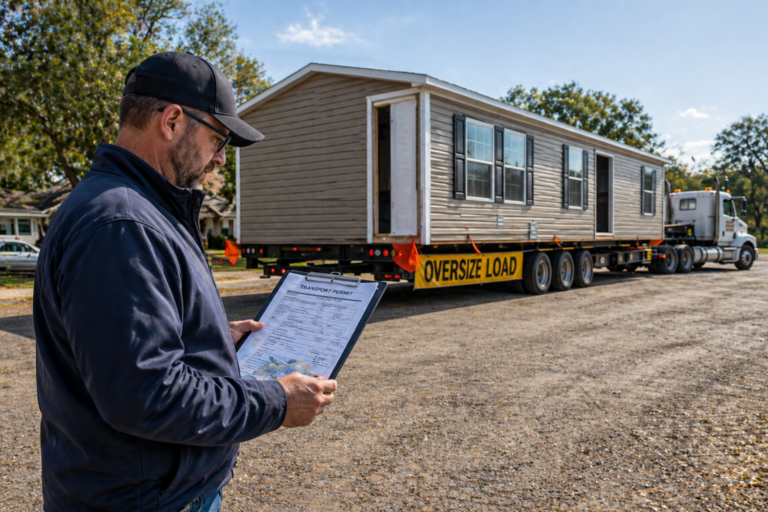
One of the most overlooked parts of mobile home transportation is permitting.
Transport companies usually handle this, but the process can include:
- State and local transport permits
- Route surveys for clearance (bridges, overpasses, power lines)
- Escort vehicle requirements (pilot cars)
- Travel time restrictions (daylight-only or weekday-only moves)
Routes are carefully mapped to avoid obstacles and ensure compliance with transportation laws. This step alone can take several days depending on your state and route complexity.
3. Home Preparation Before the Move
Before transport day arrives, your mobile home must be fully prepared. This is one of the most important responsibilities for the homeowner.
Preparation typically includes:
- Disconnecting utilities (water, gas, electricity, sewer)
- Removing or securing skirting, steps, and porches
- Securing interior items to prevent shifting damage
- Closing and locking all windows, doors, and vents
- In some cases, removing HVAC units or exterior add-ons
If this step isn’t done properly, it can delay the entire move or even cause damage during transport. Start preparing well in advance to ensure a smooth and relaxing move.
4. Transport Day: Lifting, Securing, and Moving
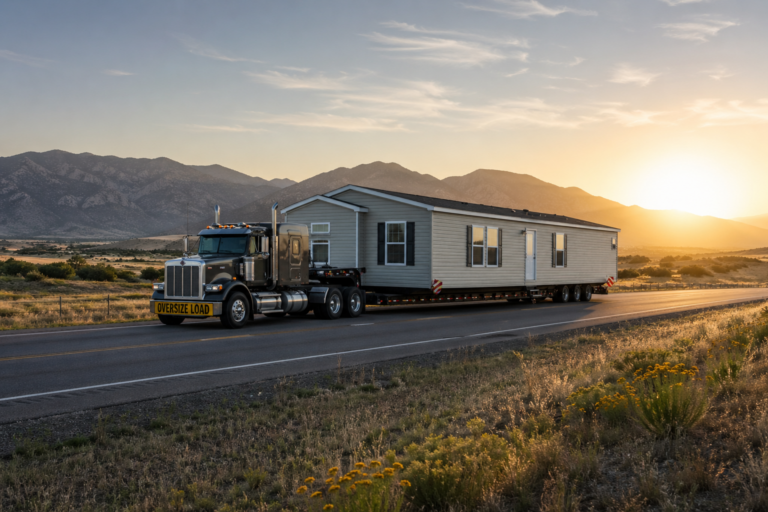
On moving day, the transport crew arrives with specialized equipment such as hydraulic jacks, axles, and heavy-duty towing trucks designed specifically for mobile home transportation.
Here’s what typically happens:
- The home is carefully lifted from its foundation.
- Wheels, axles, and towing hardware are installed or secured.
- The structure is stabilized and inspected again.
- The home is slowly moved onto the transport truck.
- The journey begins along the pre-approved route.
Speed limits are extremely low during transit, and safety is the top priority at every stage. Depending on distance, weather, and road conditions, the move may take several hours to multiple days.
5. Delivery and Reinstallation
Once the home arrives at its new location, the process doesn’t end just yet. Before your mobile home movers leave, they’ll transition to setup and reinstallation.
This phase may include:
- Positioning the home on its new foundation or pad
- Leveling the structure
- Reconnecting utilities
- Reattaching skirting, steps, and exterior components
- Inspecting for any transport-related adjustments
Proper setup is essential for long-term structural stability and livability. A rushed installation can lead to issues like uneven flooring or plumbing misalignment later on.
How Long Does Mobile Home Transport Take?
The timeline for mobile home transport near me varies widely, but here’s a general breakdown:
- Inspection and quote: 1–3 days
- Permits and route planning: 3–10 days (sometimes longer for interstate moves)
- Preparation work: 1–5 days depending on homeowner readiness
- Transport itself: A few hours to several days
- Setup and reinstallation: 1–3 days
In total, most moves take anywhere from one to three weeks from planning to completion. This can also depend on how many projects your movers have in their queue ahead of you. It’s always a good idea to get on their schedule as soon as you know you need to move.
What Can Delay a Mobile Home Move?
Even with careful planning, delays are common in mobile home transportation projects. Some of the most frequent issues include:
- Permit approval delays
- Bad weather (wind, snow, heavy rain)
- Narrow road access or construction zones
- Unprepared home (utilities not disconnected, attachments not removed)
- Equipment availability
- Unexpected structural issues during inspection
The more prepared the homeowner is upfront, the smoother the process tends to go.
What Homeowners Should Do Before Scheduling a Move
If you’re actively searching for mobile home transporters near me, here are a few things you can do ahead of time to speed things up:
- Gather basic home details (year, size, serial number if available)
- Take photos of the home and current setup
- Confirm destination site readiness
- Clear access paths for loading and unloading
- Ask about permit handling and what’s included in the service
Being proactive here helps movers provide more accurate timelines and pricing.
Home Sweet Home
Mobile home transportation is a highly coordinated process that involves much more than just moving a structure from point A to point B. From inspections and permits to setup and final leveling, each stage plays a critical role in ensuring a safe and successful move.
If you’re starting your search for mobile home movers, understanding the full process will help you ask better questions, compare providers more effectively, and avoid unexpected delays along the way.