How to Move Your Pets

MOVING WITH PETS

  • Moving Pets
  • Carriers
  • Flying
  • Traveling
  • At Home
  • Directory

When you go new places® every member of your family should be at ease. Cats, dogs and other animals are especially sensitive to moving. The secret to pet relocation is planning. Follow these pointers and ask your Southern Utah Movers Agent if you have questions.

1. Know what to sell and what to keep.

If you no longer use nor need an item, someone else might want it. If you can easily replace something at your new home sell it to lower the weight of your moving truck.

2. Get others involved from the start.

Ask your family members and neighbors to sell their unwanted items too. You might even organize a block-wide sale; a bigger event draws more people, all potential buyers.

3. Pick a Friday or Saturday.

Except for holidays, weekends are usually best for garage sales. When you announce the date, include the sale hours, such as 8:00 am to 4:00 pm.

4. Choose a location with good access and ample parking.

Before you decide on a garage, yard, or basement moving sale, check with local authorities to make sure your event doesn’t violates codes. Try to allow plenty of space for people to move around easily as they come and go.

5. Get the word out.

When you advertise your sale, make clear the date, time, and street address.

6. Be ready to do business.

On the day of the moving sale, set up a cashier’s desk (a card table will do fine). Have a calculator, scissors, tape, string, markers, a cash box and plenty of change. When you accept bills, be aware of counterfeit currency and how to spot it.

Pet Regulations Checklist:

Check the rules and regulations before moving your pets. Typically when moving, you need to bring certificates with you showing that your pet has had the proper inspections and vaccines. These requirements may differ in your new home, especially when moving to a new state.

  • State rules. Each state has their own laws and regulations for pet owners. Find your state’s Veterinary Office or Department of Agriculture here.
  • Local ordinances. Check with the City Clerk’s office in your new town to find out about local ordinances. You can learn about any leash laws, licensing rules, limits on the number of pets per household, and zoning laws that may prohibit specific animals in residential areas.
  • Label Everything. Mark all boxes with room and a box number. Record these in a box identification log that shows the number of boxes packed per room and the total number of boxes packed. (Your Southern Utah Movers Operator will provide an official inventory during the loading process).
  • Apartments & Condos. Many communities do not permit cats and dogs, let alone exotic pets like iguanas, snakes, tarantulas, and ferrets. Make sure that you know the policies for your furry (and scaly) friends and any extra costs they charge for pets.
  • Health certificates. Many states require a health certificate for dogs and some require it for cats and other pets as well. Find out your new state’s requirements here.
  • Rabies tags. Most states require a rabies tag for cats, dogs, and some exotic animals.
  • Permits. You may need to purchase a permit before your exotic pet can enter your new home state. Ask your veterinarian for help with the application process.

Tools to keep your pets safe while moving:

The devices below will help ensure your pets’ safety while moving. They include items that will help you find your pets if they get lost, tools to keep with you while traveling, and papers for helping your pets if they get hurt.

  • ID tags. If your pet can wear a collar, put one on and attach an ID tag. (For birds, put the tag on a leg band.) The tag should include the pet’s name, your name, and the destination address and your number.
  • Microchips. Pets with microchips are entered into a pet recovery system so if your pet gets loose, you’ll be contacted once it’s found. If your pet was purchased from a breeder, pet store, or shelter it likely already has a microchip.
  • Pictures. Keep a photograph of your pet so you can show your new neighbors what your pet looks like if it gets lost.
  • Collars. Make sure you have collars on your pets while they’re traveling in the car or on a plane. For animals that get fidgety, you probably want to get a harness they can’t wiggle out of.
  • Leashes. Keep a chain and leash for your dog to keep them in your new yard if you have to wait for a fence to be built. Pack a spare in case your pet breaks the leash.
  • Pet carriers. If you’re traveling by airplane, any pet in the cabin must be in a pet carrier. In a car, some pets are less stressed in a carrier rather than on the loose. To find out more about pet carriers click here.
  • Records. Getting your pet’s health records from your veterinarian will help a new vet provide the best care for your pet.

Take water from your home during your journey. It will help keep your pet calm and prevent them from getting sick.

Pet transportation methods:

Do you hire a pet-moving service, or do it yourself? Many moving companies, are not allowed to move your pets. Buses and trains cannot transport pets unless they are medical service animals. If your pet requires special handling and you cannot move him or her yourself, consider a professional pet service. Ask your Southern Utah Movers Agent for their recommendation.

  • Travel by air
  • Travel by car
  • Find a professional pet shipper

CARRIERS

A portable kennel, or pet carrier, is an essential purchase for pet movers to ensure your pet’s safety and comfort. You can purchase pet carriers at local pet stores and at most airlines as long as you give 48 hours advance notice.

What should you look for in a pet carrier?

  • Size. The pet carrier should be just big enough for your dog or cat to stand up, turn around, and lie down.
  • Type. Even birds, lizards, and exotic pets need pet carriers. Conventional cages do not meet airline standards for exotic pets.
  • Cross-ventilation. Make sure your pet carrier has cross-ventilation and a leak-proof bottom to prevent any messes from spreading. Pets that get really excited or nervous during travel should have absorbent layers added to their pet carrier for accidents.
  • Air Travel Standards. For air travel, kennels must meet U.S. Department of Agriculture (USDA) and International Air Transport Association (IATA) standards.
  • Door Latch. Make sure the door latch closes securely, but don’t lock it for air travel: federal regulations require your pet to be accessible in an emergency.

A portable kennel, or pet carrier, is an essential purchase for pet movers to ensure your pet’s safety and comfort. You can purchase pet carriers at local pet stores and at most airlines as long as you give 48 hours advance notice.

10 TIPS
  • Price things to sell. Visit eBay or search online to determine how much you can reasonably expect to sell your items.
  • Put a price tag or sticker on each item. Place items where shoppers will notice them. If two or more families take part in the sale, assign each a unique ID code or different color sticker.
  • Start saving shopping bags and cartons. Make it easy for customers to take their purchases with them. Have tissue or newspaper on hand to wrap glass, knick-knacks, and other fragile items.
  • Keep loose pieces together. Bundle or package sets, groups, or units so customers can easily see what they are getting. Put loose game pieces in a sealable plastic bag and place it inside the box.
  • Keep “for sale” items and “not for sale” items separate
  • Display like items together. Keeping kitchen utensils, sporting goods and tools together makes it easy for customers to find what they want.
  • Hang clothing on a clothesline or rack for easy viewing.
  • Be prepared for a change in the weather. Have sheets of plastic on hand to quickly cover everything.
  • Offer refreshments for sale. Many shoppers welcome a cold drink, especially on warmer days. Ice down some sodas and bottled water the night before. Tell the kids the money they earn selling drinks is their reward for helping.
  • Assign everyone in the family a job. Many hands make light work. Give everyone something to do for the day—cashier, clerk, or organizer. And have fun!

ProMover® Certified

All SU Movers Agents are ProMover Certified, the highest designation from the American Moving & Storage Assocation.

Award Winning Agents

SU Movers adheres to formal, measurable standards for quality. Our Agencies are accountable with regular inspections and evaluations. Customer feedback is also essential for our efforts to improve service on every move.

See our other Services!

Long Distance

Learn More

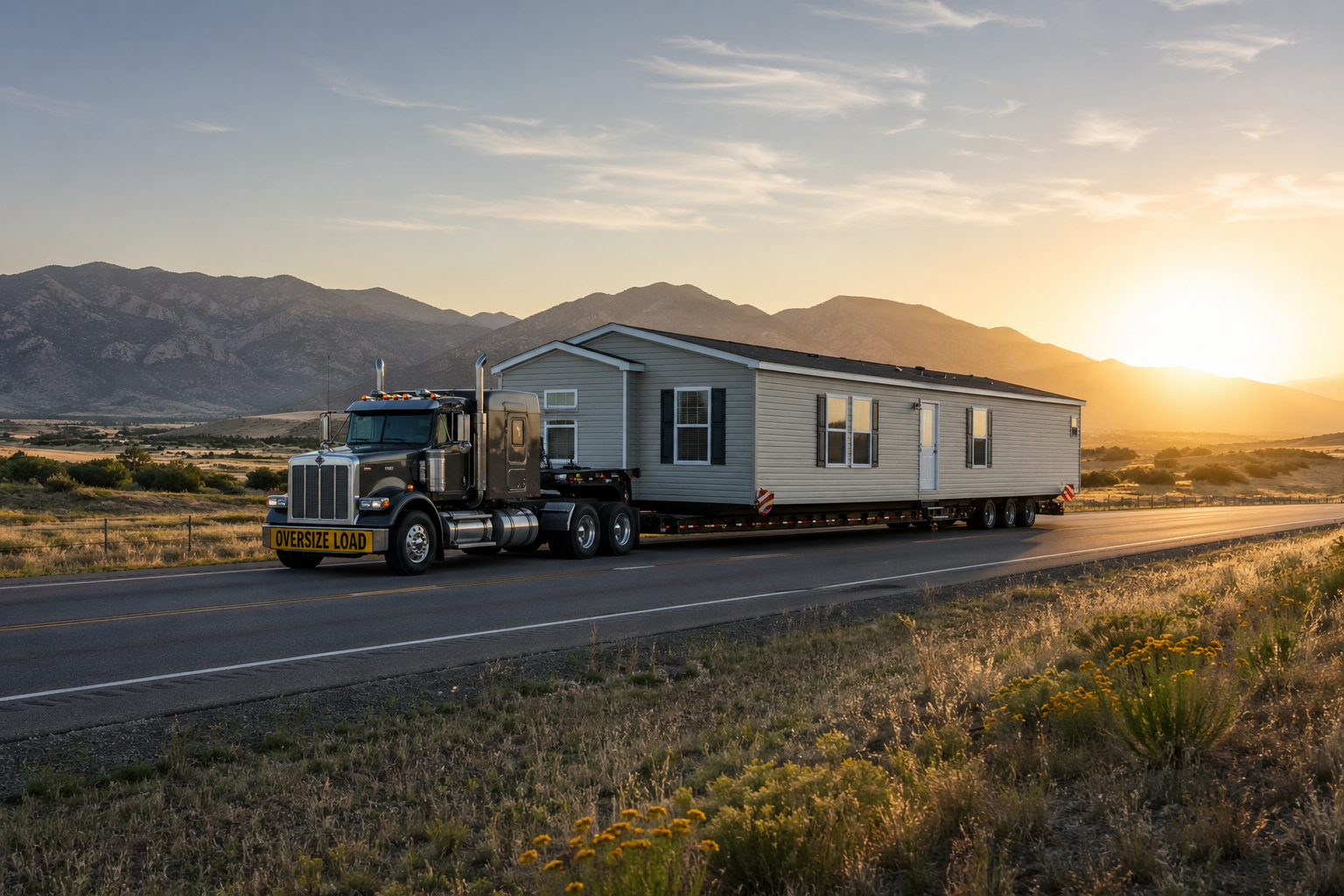
Mobile Homes

learn More

Piano Moving

Learn More

Safe Moving

Learn More