A Room-by-Room Guide to Packing Your Home for a Stress-Free Move
Few moments make you realize how much you own quite like preparing for a move. What started as a few boxes in the corner suddenly becomes a house full of belongings waiting to be sorted, packed, and transported.
Instead of trying to tackle everything at once, a room-by-room approach helps you stay organized, protect your belongings, and keep moving-day stress under control.
Whether you’re moving across town or across the state, having a clear packing strategy can save time, reduce stress, and help protect your belongings. Many homeowners begin searching for moving companies near me as soon as they know they’re relocating, but even with professional help, knowing how to organize and pack your home can make a huge difference.
This room-by-room guide will help you stay organized and avoid last-minute chaos.
Tips for Creating a Packing Plan: Start Early
One of the biggest mistakes people make is waiting until the last week before their move to start packing. Ideally, you should begin preparing about four weeks before moving day.
Start by walking through your home and identifying items you no longer need. Donate, sell, or dispose of anything you don’t want to move. The fewer items you pack, the easier and more affordable your move will be.
Gather quality packing supplies, including:
- Moving boxes in various sizes
- Packing paper
- Bubble wrap
- Packing tape
- Permanent markers
- Labels or color-coded stickers
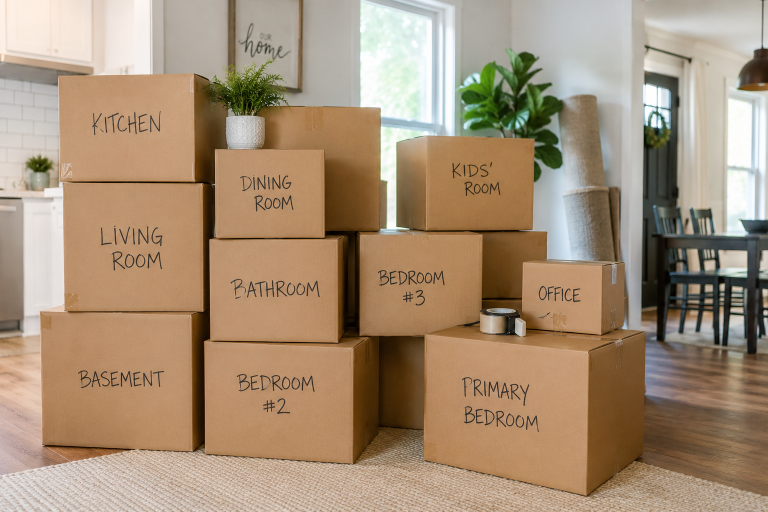
As many experienced moving companies recommend, labeling boxes clearly by room will make unpacking significantly easier.
Tips for Packing the Living Room
The living room often contains a variety of items that require different packing techniques.
- Start with decorative items such as:
- Picture frames
- Candles
- Books
- Artwork
- Electronics
- Wrap fragile items individually and use packing paper to fill empty spaces inside boxes. Remove batteries from remote controls and electronic devices before packing them.
- For televisions and large electronics, use the original packaging whenever possible. If that’s not available, invest in specialty boxes designed for electronics.
- Pack books in smaller boxes to prevent them from becoming too heavy. Label cords and accessories so they’re easy to reconnect after the move.
Packing the Kitchen
The kitchen is typically one of the most time-consuming rooms to pack because of the number of fragile and oddly shaped items.
- Begin by using up as many pantry items and frozen foods as possible in the weeks leading up to your move. Many moving companies cannot transport perishables, and reducing food inventory will make packing easier.
- When packing dishes:
- Wrap each plate individually.
- Stack plates vertically rather than flat.
- Use plenty of cushioning material.
- Label boxes as “Fragile.”
- Glassware should be wrapped separately and packed tightly to prevent movement during transportation.
- Small appliances should be cleaned thoroughly before packing. Remove loose components and secure appliance doors when necessary.
Tips for Packing Bedrooms
Bedrooms are often easier to pack because most items are straightforward and non-fragile.
- Start with out-of-season clothing and items you won’t need before moving day. Wardrobe boxes can make transferring hanging clothes simple and efficient.
- When packing dressers:
- Remove valuable or fragile items.
- Consider leaving lightweight clothing in drawers if approved by your movers.
- Secure drawers if they will remain loaded.
- Use suitcases for clothing, shoes, and personal items you’ll need immediately after arriving at your new home.
- Set aside a separate “first-night box” containing essentials such as:
- Toiletries
- Medications
- Phone chargers
- Pajamas
- Important documents
Tips for Packing Bathrooms
Bathrooms can be packed fairly quickly, but they often contain items that require special attention.
- Dispose of expired medications and unused products before packing. Place liquids in sealed plastic bags to prevent leaks.
- Keep daily-use items accessible until the last few days before the move. Pack toiletries, towels, and cleaning supplies in clearly labeled boxes.
- If you’re moving long-distance, check with your movers regarding restrictions on certain cleaning products and aerosols, as some items may not be allowed during transport.
Tips for Packing the Home Office
With more people working remotely than ever, home offices have become a critical area to organize properly during a move.
- Begin by backing up all important files and documents. Pack computers, monitors, and electronics carefully using protective materials.
- Organize paperwork into labeled folders and boxes. Keep essential records, passports, financial documents, and other sensitive materials with you rather than loading them onto the moving truck.
- Take photos of cable connections before disconnecting equipment. This simple step can save a lot of frustration when setting up your workspace in your new home.
Tips for Packing the Garage, Shed, and Storage Areas
Garages and sheds often become catch-all spaces for items that haven’t been used in years.
- Start sorting these areas early. Separate items into categories:
- Keep
- Donate
- Sell
- Dispose
- Many household products stored in garages cannot be transported by professional movers, including:
- Gasoline
- Propane tanks
- Paints
- Fireworks
- Certain chemicals
- Drain fuel from lawn equipment and empty garden hoses before moving day.
- Tools should be packed securely, and sharp edges should be protected to prevent injuries or damage to other belongings.
Special Items Require Special Care
Some belongings need extra planning and specialized handling.
Large pianos, gun safes, antiques, and oversized furniture often require professional moving expertise. Attempting to move these items yourself can lead to injury or costly damage.
If you’re relocating a piano, professional St George piano movers have the equipment and experience necessary to transport these valuable instruments safely.
Likewise, homeowners with heavy safes should consider hiring experienced Utah gun safe movers who understand how to move these extremely heavy items without damaging floors, walls, or the safe itself.
The Day Before Moving Day
As moving day approaches, finish packing everything except essential daily-use items.
Prepare a box containing:
- Cleaning supplies
- Paper towels
- Basic tools
- Chargers
- Snacks
- Important paperwork
Defrost and clean refrigerators and freezers if necessary. Confirm utility transfers and double-check your moving schedule. For more tips and step-by-step guidance on when to do what, check out our How to Move Guide.
Walk through every room, closet, cabinet, and storage area to ensure nothing has been overlooked.
Moving Day Success Starts with Good Packing
A successful move begins long before the truck arrives. By packing one room at a time, staying organized, and starting early, you can dramatically reduce moving-day stress.
For homeowners planning a relocation in Southern Utah, working with experienced Southern Utah Movers can make the process even smoother. Professional movers can help with packing, transportation, and specialized items while allowing you to focus on settling into your new home.
With a room-by-room strategy and a little preparation, you’ll be ready for a smooth, organized, and stress-free move from start to finish.