
Moving FAQs: 50 Answers to Your Most Common Moving Questions
Moving comes with a long list of questions, from how much movers cost to what you should pack first and what happens on moving day. Whether you’re moving across Cedar City, relocating to St. George, moving somewhere else in Utah, or heading out of state, getting answers ahead of time can make the process much easier. This moving FAQ from a Utah moving company answers 50 of the most common questions about planning, packing, hiring movers, moving day, specialty moves, and settling into your new home.
Moving FAQs: Your Questions Answered
Moving involves a lot of decisions, but you don’t have to figure everything out at once. Here are answers to some of the questions people ask most often when preparing for a move in Utah and beyond.
Planning Your Move
1. When should I start planning my move?
Start planning your move as early as possible, ideally several weeks before your moving date. Starting early gives you time to compare moving companies, get estimates, declutter, gather packing supplies, and work through your packing without having to rush.
2. How far in advance should I hire movers?
It is generally best to schedule professional movers several weeks in advance. Give yourself even more lead time if you’re moving during a busy season, on a weekend, or around the end of the month, when moving companies tend to have more demand.
3. What is the best time of year to move in Utah?
The best time to move depends on your schedule, budget, and availability of movers. Summer is a popular moving season, while moving during less busy times may give you more scheduling flexibility. Utah weather can also be a consideration, particularly for long-distance or specialty moves.
4. What should I do first when planning a move?
Start by choosing a target moving date and deciding whether you will hire professional movers or handle the move yourself. From there, create a moving checklist and timeline that covers decluttering, packing, scheduling services, and changing your address.
5. How long does it take to move a house?
The time required depends on the size of your home, the amount of belongings, the distance you’re moving, and whether you’re packing yourself or using professional packing services. A small local move may take several hours, while a larger or long-distance move can take a full day or even longer.
6. How can I make moving less stressful?
Start early, declutter before packing, stay organized, and break the move into smaller tasks. Hiring a moving company in Utah can also take much of the physical work off your plate and make moving day more manageable.
Moving Costs & Estimates
7. How much does it cost to hire movers in Utah?
Moving costs vary based on factors such as the size of your move, distance, number of movers needed, amount of belongings, and services requested. The best way to understand your cost is to request a detailed estimate based on your specific move.
8. What factors affect the cost of a move?
Common factors include the distance of the move, size and weight of the shipment, number of movers required, moving date, stairs or difficult access, packing services, storage, and specialty items such as pianos or gun safes.
9. Are moving estimates free?
Many moving companies offer free estimates, although policies vary. Ask whether the estimate is free and what information the company needs to provide an accurate quote.
10. How can I save money on a move?
Decluttering before you move can reduce the amount you need to transport. You can also save by packing some belongings yourself, comparing estimates, moving during less busy periods, and choosing only the services you actually need.
11. Is hiring professional movers worth it?
For many people, yes. Professional movers can save time and physical effort while providing the equipment and experience needed to move heavy, bulky, or fragile belongings safely. Hiring movers can be especially helpful when you’re dealing with a large home, long-distance move, or specialty items.
12. Should I get multiple moving estimates?
Yes. Comparing multiple estimates can help you understand the going rate for your move and identify differences in services, pricing, and policies. Don’t compare price alone; make sure you’re comparing similar services and understand what is included in each estimate.
Packing for a Move
13. When should I start packing for a move?
Start packing several weeks before moving day, beginning with items you don’t use every day. Seasonal decorations, rarely used kitchenware, books, and items stored in closets or garages are good places to start.
14. What should I pack first when moving?
Pack items you use the least first. Seasonal clothing, decorations, books, guest-room items, and other nonessential belongings can usually be packed well before moving day.
15. What should I pack last when moving?
Pack everyday necessities last, including toiletries, medications, important documents, chargers, basic kitchen supplies, and clothing you’ll need immediately after the move. These items should also be easy to access when you arrive.
16. What is the best way to pack for a move?
Pack one room at a time and use appropriately sized boxes. Put heavier items in smaller boxes, protect fragile belongings with adequate cushioning, and clearly label every box with its destination room and general contents. Save the rooms you use most often (like the kitchen) for last so you’re not without your everyday items for too long.
17. How should I label moving boxes?
Label boxes with the room where they belong and a brief description of their contents. Mark boxes containing fragile items clearly, and consider keeping a separate list of especially important or valuable belongings.
18. How do I pack fragile items for moving?
Wrap fragile items individually and use enough packing material to prevent them from shifting inside the box. Fill empty spaces with cushioning material and avoid making boxes so heavy that they are difficult to safely carry.
19. How many moving boxes will I need?
The number depends on the size of your home and how much you own. A larger home with a lot of belongings will require significantly more boxes than a small apartment or a decluttered home.
20. What should I not pack in moving boxes?
Avoid packing hazardous, flammable, or otherwise restricted materials. You should also keep important documents, valuable jewelry, medications, and irreplaceable belongings with you rather than placing them in the moving truck. Ask your moving company for its specific list of prohibited items before moving day.
What Movers Can and Cannot Move
21. What items will movers not move?
Moving companies generally cannot transport certain hazardous, flammable, or otherwise restricted materials. The exact list varies by company and type of move, so ask your movers for their list of prohibited items before packing.
22. Will movers move plants?
It depends on the type of move and the moving company’s policies. Interstate moves may have additional restrictions on transporting plants, so check the requirements for your destination before moving them.
23. Will movers move food?
Some movers may transport certain nonperishable foods, but restrictions can apply. Perishable, opened, or temperature-sensitive food is often better used, donated, or discarded before moving day.
24. Will movers move furniture?
Yes. Moving furniture is one of the primary services provided by professional movers. Movers can typically handle everything from standard household furniture to large and heavy pieces, depending on the item and circumstances.
25. Can movers move appliances?
Many moving companies can move appliances, but some appliances require preparation before they can be transported. Refrigerators, washing machines, dryers, and other large appliances may need to be disconnected, drained, or secured.
26. Can movers move a piano?
Yes, some professional movers specialize in piano moving. Pianos require specialized equipment and techniques because of their size, weight, and delicate components. SU Movers offers piano moving services for customers who need help transporting these especially heavy and valuable items.
27. Can movers move a gun safe?
Some professional movers specialize in moving heavy safes and can handle the equipment required to move them safely. Because of their extreme weight, gun safes should not be treated like ordinary household furniture. SU Movers specifically offers gun safe moving services for heavy and specialized items.
Hiring a Moving Company
28. How do I choose a moving company in Utah?
Look for a moving company with experience, positive customer reviews, appropriate licensing or registration for the type of move you’re making, clear pricing, and a written agreement outlining the services you’ll receive. Local experience can also be valuable when you’re moving in areas such as Cedar City, St. George, or elsewhere in Southern Utah.
29. What questions should I ask a moving company before hiring them?
Ask about pricing, services, availability, insurance or valuation coverage, cancellation policies, additional fees, what items they will not move, and how they handle damage claims. You should also make sure the services discussed are included in your written estimate. See: 15 Questions to Ask Before Hiring a Moving Company.
30. What should be included in a moving estimate?
A moving estimate should clearly identify the services being provided and the factors used to calculate the price. Review the estimate carefully for additional services, fees, and conditions that could affect your final cost.
31. Do movers pack your belongings for you?
Many moving companies offer packing services in addition to loading, transporting, and unloading. Depending on the company, you may be able to hire movers to pack your entire home or just certain rooms or fragile items.
32. Can movers disassemble and reassemble furniture?
Some moving companies offer furniture disassembly and reassembly as part of their services. Ask beforehand whether the specific furniture you need handled is included.
33. Do movers provide moving boxes and packing supplies?
Some moving companies provide or sell boxes, packing paper, tape, protective materials, and other supplies. Others expect customers to provide their own. Ask what is included in your estimate and whether your movers can supply the materials you need.
Preparing for Moving Day
34. What should I do before the movers arrive?
Finish as much packing as possible, clear walkways, separate anything that isn’t being moved, and make sure movers can easily access the items going onto the truck. Keep important personal items and essentials separate.
35. What should I keep with me on moving day?
Keep medications, important documents, valuables, chargers, basic toiletries, a change of clothes, and anything you’ll need immediately after arriving at your new home with you. If you’re driving to your destination, keep these items in your personal vehicle rather than the moving truck.
36. What happens on moving day?
Professional movers typically begin by reviewing what is being moved and identifying any special instructions. They then protect the home as needed, load belongings onto the truck, transport them to the destination, and unload them according to the agreed-upon services.
37. Do I need to be home when the movers arrive?
It is generally helpful for someone to be available to answer questions, identify items that should or should not be moved, and provide access to the home. If you cannot be present, discuss your options with the moving company ahead of time.
38. What if I’m not finished packing when the movers arrive?
Tell your moving company as soon as you know you won’t be ready. Depending on the company and schedule, movers may be able to provide additional packing services, although this can add time and cost to the move.
39. Should I tip my movers?
Tipping is not always required, but many customers choose to tip movers when they provide good service. The amount is up to you and may depend on the size and difficulty of the move and the quality of service.
40. What should I do if something is damaged during the move?
Document the damage and contact the moving company as soon as possible. Review your moving documents for instructions about reporting damage and filing a claim. Following the company’s claims process can help ensure your concerns are properly documented.
Long-Distance & Specialty Moves
41. How is a long-distance move different from a local move?
Long-distance moves involve transporting your belongings a greater distance and may involve different pricing, scheduling, regulations, and delivery arrangements than local moves. SU Movers provides local moving services throughout Southern Utah as well as long-distance moving services throughout the country.
42. How far in advance should I book a long-distance move?
Booking as early as possible is generally recommended, especially if your move falls during a busy season. Long-distance moves often require more planning and coordination than local moves.
43. How long does a long-distance move take?
The timeline depends on the distance, shipment size, route, scheduling, and delivery arrangements. Your moving company should be able to provide an expected pickup and delivery timeframe based on your specific move.
44. Can movers move a mobile home?
Mobile home transportation is a specialized service that requires the appropriate equipment and expertise. SU Movers provides mobile home moving services that can include preparing the home, transporting it, and installing it at the new location.
45. How do I move a heavy or oversized item?
Large items such as gun safes, pianos, and certain pieces of machinery require specialized equipment and techniques. A professional mover experienced with the specific item can determine the safest way to transport it. SU Movers offers specialized moving services for items including pianos and safes.
After the Move
46. What should I unpack first after moving?
Start with the essentials you’ll need immediately: toiletries, medications, bedding, clothing, basic kitchen supplies, and anything necessary for children or pets. From there, prioritize the rooms you’ll use most.
47. How long does it take to unpack after a move?
There’s no standard timeline. Some people unpack within a few days, while others take several weeks. Unpacking room by room and prioritizing essential spaces can make the process more manageable.
48. What should I do with my moving boxes after unpacking?
Save sturdy boxes if you expect to move again or need them for storage. Otherwise, break them down for recycling or offer them to someone who is preparing for a move.
49. Should I use a storage unit when moving?
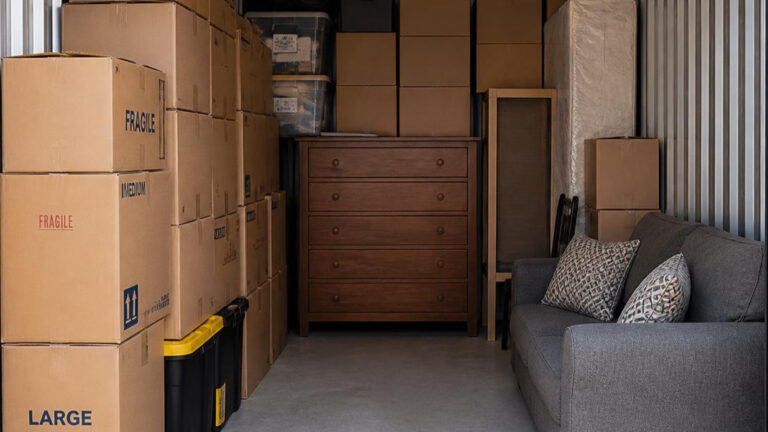
A storage unit can be useful when your new home isn’t ready, you’re downsizing, you’re between homes, or you simply need more time to decide what to keep. Storage can also make a move easier by allowing you to move belongings in stages. SU Movers offers storage as an option for customers whose move requires more than a simple move from one home to another.
50. What is the best way to make my next move easier?
Start planning early, declutter before packing, stay organized, and choose a moving company that fits your needs. Keeping a detailed inventory and saving important moving documents can also make future moves easier.
Ready for Your Next Move?
Whether you’re moving across Cedar City, relocating to St. George, or heading somewhere farther away, having the right moving team can make the process much easier. SU Movers provides professional moving services throughout Southern Utah and beyond, with experienced crews ready to help with everything from everyday household moves to long-distance and specialty moves. When you’re ready to make your move, we’re here to help you get there.