
How to Move a Mobile Home: A Step-by-Step Guide from a Professional Mobile Home Moving Company
Moving a mobile home is a major project that requires far more planning than many people realize. Unlike a traditional move where furniture and belongings are packed into a truck, relocating a manufactured home involves permits, inspections, specialized equipment, transportation logistics, and site preparation.
Whether you’re relocating a home to a new piece of property, moving into a mobile home park, or transferring a manufactured home to a different location, understanding the process can help you avoid delays, unexpected expenses, and costly mistakes.
While every move is unique, most professional manufactured home movers follow the same general process. Here’s what homeowners should know before moving a mobile home.
What Is Involved in Moving a Mobile Home?
Moving a mobile home involves much more than simply transporting the structure from one location to another. The process typically includes preparing the home for transport, securing permits, disconnecting utilities, transporting the home, and reinstalling it at its new location.
Because manufactured homes are large, heavy structures that must travel on public roads, state and local regulations often apply. Most homeowners work with a professional mobile home moving company that can coordinate the transportation process and ensure all requirements are met.
The complexity of the move depends on factors such as the size of the home, the distance being traveled, road conditions, and the condition of both the current and future sites.
Can Any Mobile Home Be Moved?
Not every mobile home is a good candidate for relocation.
In many cases, the age and condition of the home play a significant role in determining whether it can be safely transported. Older homes may have structural issues that make moving difficult or financially impractical. Damage from water, settling, or years of wear can also create challenges during transport.
A professional inspection is often one of the first steps in the process. Experienced manufactured home movers can evaluate the home’s condition and determine whether it is suitable for relocation. If significant structural concerns are identified, repairs may be necessary before the move can take place.
Single-wide, double-wide, and even larger manufactured homes can often be moved successfully, but the process becomes more complex as the size of the structure increases.
Preparing the Home for Transport
Before a mobile home can be moved, it must be properly prepared for transportation.
This preparation typically begins with removing skirting, decks, porches, awnings, carports, and other attached structures. Any items connected to the home that could interfere with transportation must be detached before the move begins.
Inside the home, loose items should be secured or removed. Cabinets, doors, appliances, and fixtures may need additional protection to prevent shifting during transport. Windows and entry doors are often reinforced to help reduce the risk of damage while the home is on the road.
Proper preparation helps protect the home and improves safety throughout the moving process.
Do You Need Permits to Move a Mobile Home?
In most situations, yes.
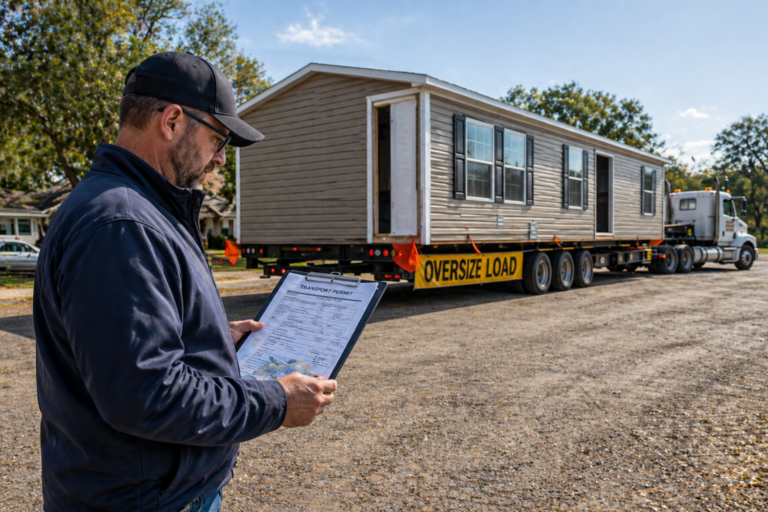
Because manufactured homes are considered oversized loads, transportation typically requires permits from state or local agencies. Depending on the route, additional approvals may also be required from municipalities, transportation departments, or utility companies.
Permit requirements vary by location, which is one reason many homeowners choose to work with a professional mobile home moving company. Experienced movers understand local regulations and can help coordinate the necessary paperwork before transport begins.
Obtaining permits ahead of time helps prevent delays and ensures the move complies with all applicable requirements.
Who Disconnects Utilities Before a Mobile Home Move?
Before transportation can occur, all utility connections must be safely disconnected.
This generally includes electrical service, water lines, sewer connections, natural gas lines, propane systems, and communication services such as internet or cable. Depending on the utility provider and local regulations, licensed professionals may be required to perform certain disconnections.
Planning these disconnections in advance is important because utility scheduling can sometimes affect the moving timeline. Coordinating utility work early helps keep the project on track and minimizes delays.
How Is a Mobile Home Transported?
Once the home has been prepared and approved for transport, the actual moving process can begin.
Manufactured home movers use specialized equipment designed specifically for transporting large structures. Axles, wheels, hitches, and transport systems are installed to allow the home to travel safely on public roadways.
Route planning is also an important part of the process. Mobile home movers in Utah must consider bridge clearances, road widths, utility lines, traffic patterns, and other obstacles that could affect transportation. In some cases, escort vehicles may be required to accompany the move.
The goal is to transport the home safely while minimizing risk to both the structure and surrounding infrastructure.
What Happens After the Home Arrives?
Transportation is only one phase of the project.
Once the manufactured home reaches its destination, it must be properly positioned on the new site. This process includes placing the home, leveling it, and ensuring it is supported according to applicable requirements and manufacturer recommendations.
For multi-section homes, the individual sections must be aligned and reconnected. Proper installation is critical because it affects the home’s stability, safety, and long-term performance.
The setup process often requires as much attention to detail as the move itself.
Reconnecting Utilities and Final Setup
After installation is complete, utility services can be restored.
Water, sewer, electrical, gas, and communication services must be connected according to local codes and regulations. Depending on the location, inspections may be required before utilities can be activated.
As soon as utilities are connected, homeowners and movers can make final adjustments that ensure the home is safe and functioning properly. This may include checking doors, windows, plumbing fixtures, and other components that may have shifted during transport.
Completing these final steps helps ensure the home is ready for occupancy.
Why Most Homeowners Hire Professional Manufactured Home Movers
Moving a manufactured home requires specialized knowledge, equipment, permits, and logistical planning. While homeowners often focus on the transportation portion of the project, the preparation, permitting, installation, and utility coordination are equally important.
Professional manufactured home movers understand how to manage each phase of the process and can help reduce the risk of delays, damage, and compliance issues. Their experience allows them to identify potential challenges before they become costly problems.
For most homeowners, working with an experienced mobile home moving company is the safest and most efficient way to relocate a manufactured home successfully.
Finding the Right Manufactured Home Movers in Utah
Moving a mobile home is a complex project. From preparing the home and obtaining permits to transportation, installation, and utility reconnections, each step plays an important role in a successful move.
If you’re considering relocating a manufactured home, understanding the process can make it far less intimidating. Consulting with experienced mobile home movers at Southern Utah Movers early in the process can help you understand your options and create a plan that fits your timeline, budget, and destination.